Cutting Brazil's federal audit cycle from 5.5 years to 2
Reduced federal audit cycle time from 5.5 years to about 2 years and cut data-quality returns by 90%.
Federal Court of Accounts (TCU) · 2019 · Product design, Workshop facilitation, Interaction design, Information architecture
The problem
Brazil’s public administration faces a constant battle against inefficiency and corruption. At the forefront of this fight stands the Federal Court of Accounts (TCU), a critical institution responsible for auditing and overseeing the use of public funds. However, the TCU’s effectiveness was hampered by a cumbersome and outdated audit process plagued by poor data quality, lengthy delays, and inconsistent instructions. This is where my team and I stepped in, determined to revolutionize the way the TCU operates.
The challenge in concrete terms:
- Delays and inefficiencies — the average time to initiate an audit stretched to 5.5 years, significantly hindering the recovery of misappropriated funds and timely interventions.
- Low-quality instructions — inaccurate or incomplete instructions hampered auditors’ ability to effectively investigate potential wrongdoing.
- Frustration and rework — auditors faced constant hurdles due to the system’s limitations, wasting valuable time and resources.
We knew a radical makeover was needed. Our mission wasn’t simply to patch up the old system; it was to build a modern, streamlined platform that empowered auditors, ensured data integrity, and expedited the entire audit process.
01 — Unmasking inefficiency: co-designing e-TCE with auditors
The old audit process was shrouded in a fog of paperwork and delays. To pierce through this haze, we partnered with a fearless pilot team of auditors. In vibrant workshops, we donned exploration hats, delving into their daily journeys to write instructions. Like detectives, we pinpointed bottlenecks where time went missing and unearthed hidden frustrations.
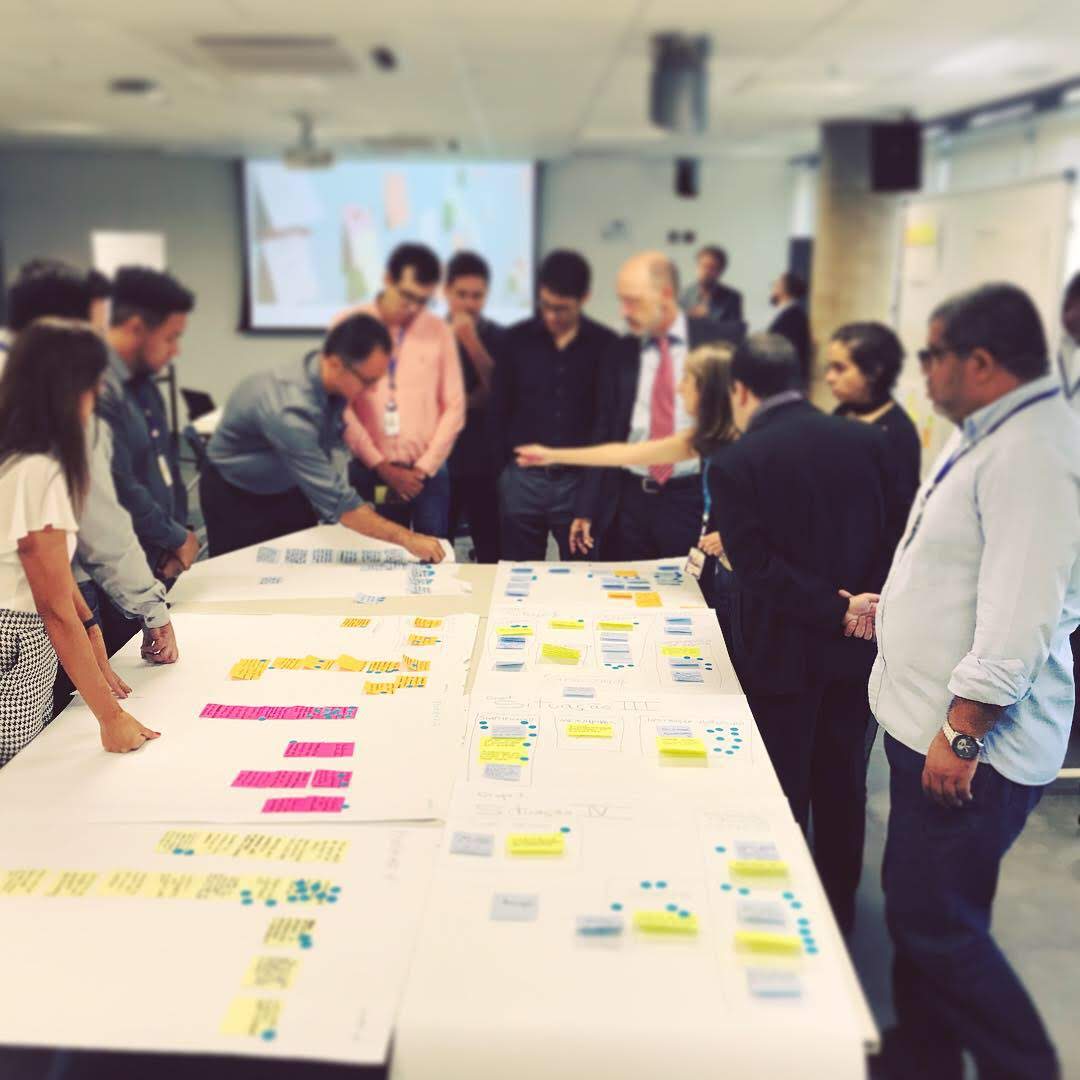
Gone were the days of dry lectures. We wielded playful tools like 5 Hats to analyze issues from every angle, Lightning Talks to ignite sparky ideas, and Lightning Decision Jams to forge quick solutions. Dot-voting transformed into a vibrant voting gallery, where auditors championed their preferred features. Our workshops weren’t just information gathering; they were co-creation parties, where the platform’s future was sculpted by the very hands who would use it.
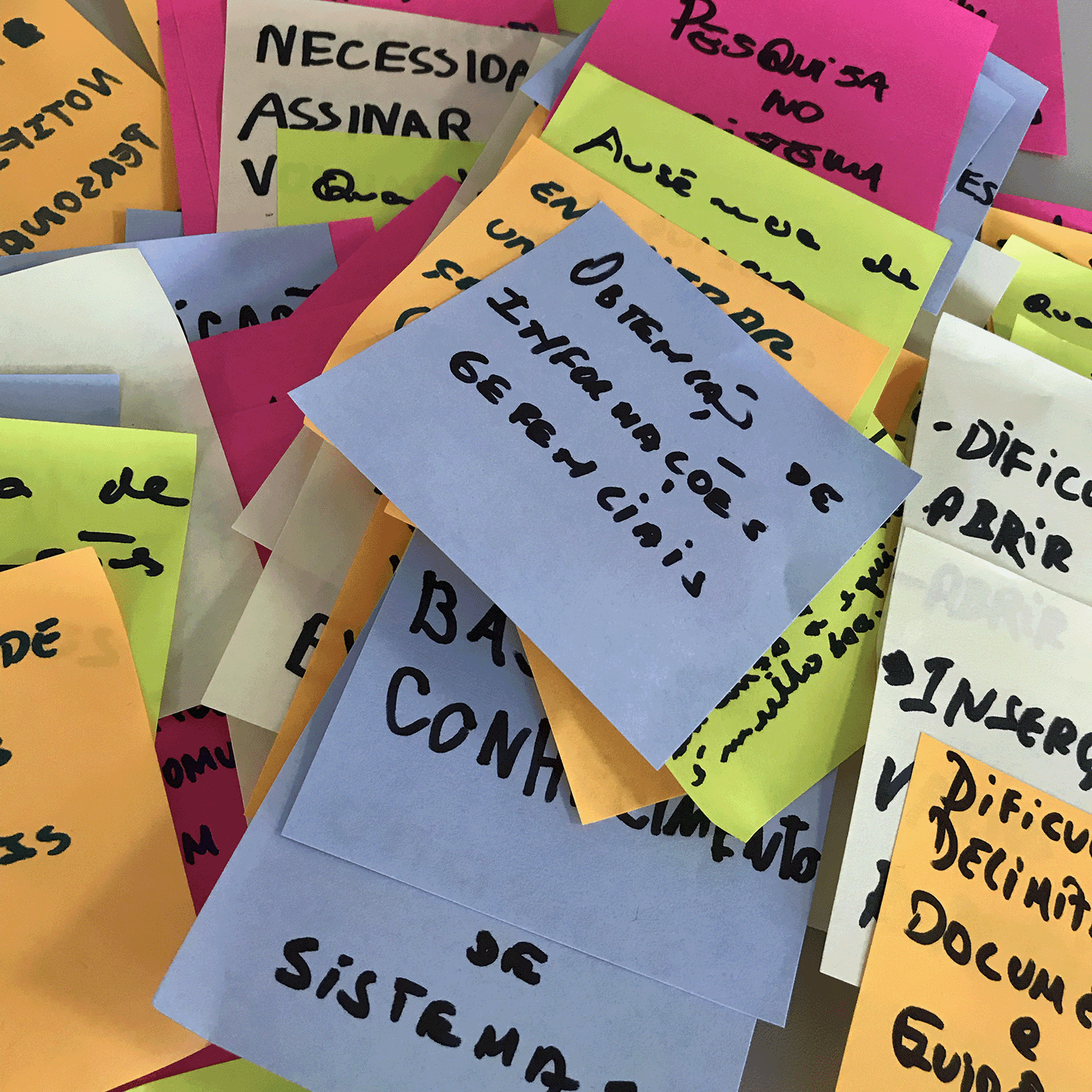
These sessions yielded more than insights; they fostered trust. From frustration to fascination, auditors shed their skepticism and embraced the potential of change. Each workshop ended with a tangible prototype — a rough sketch brought to life with their feedback. Every iteration was a shared step closer to a brighter audit landscape, where instructions flowed effortlessly and auditors wielded their power with newfound efficiency.
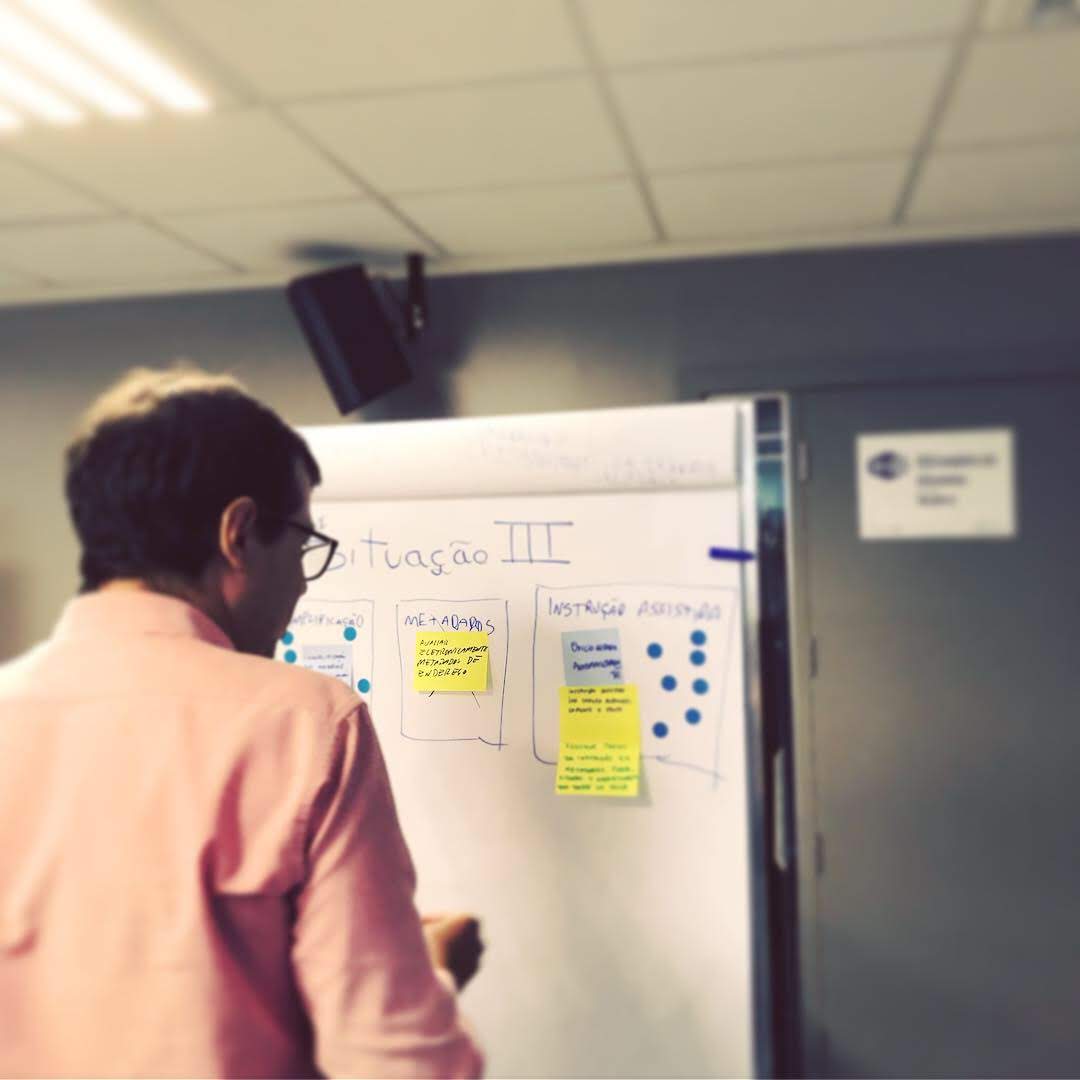
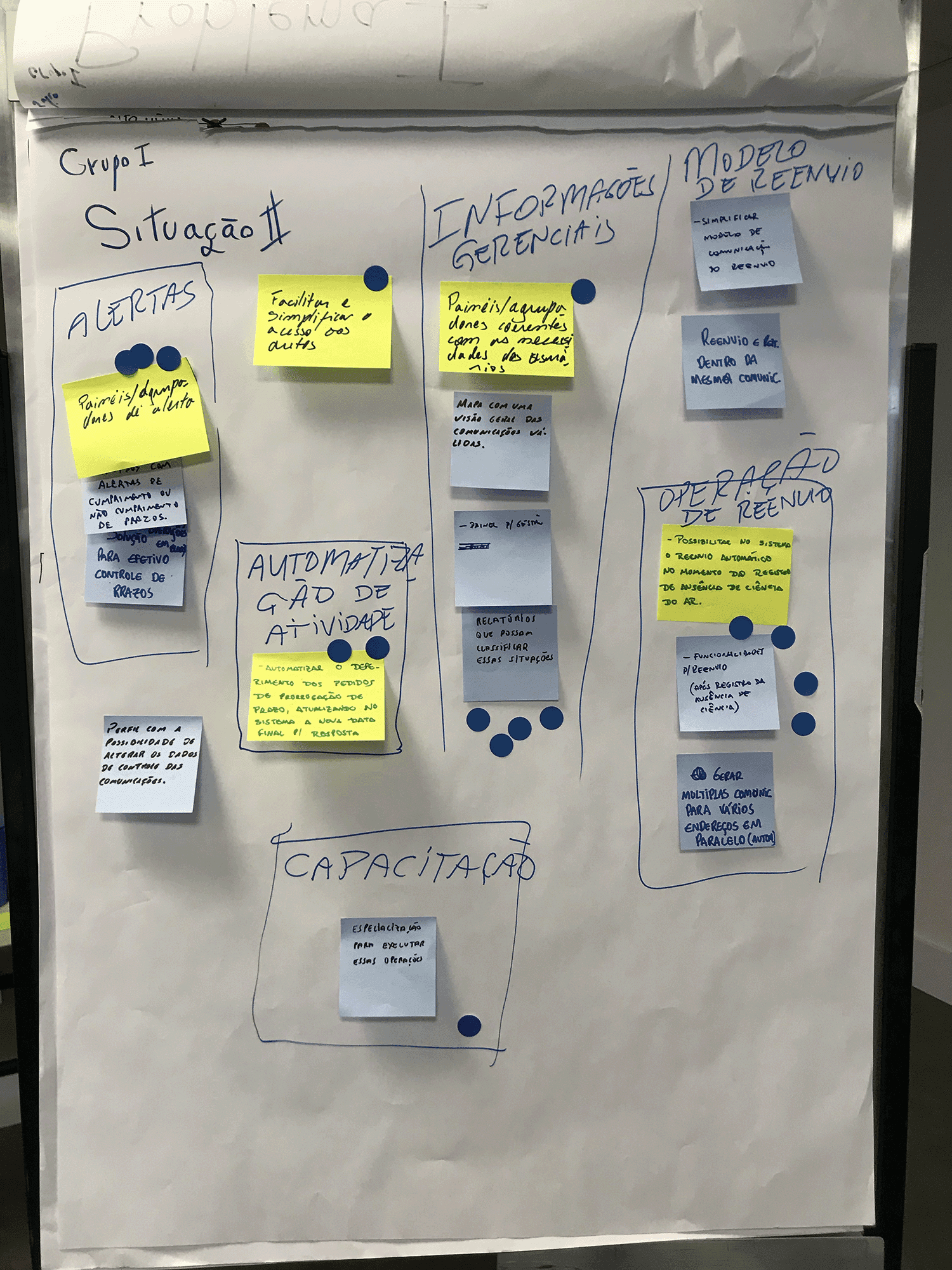
Instead of rushing headfirst into development, we began by laying a strong foundation. In-depth interviews with key stakeholders from the TCU revealed their aspirations and existing pain points. A dedicated team of developers, leveraging the power of AI, meticulously analyzed legal frameworks and categorized the types of irregularities in public administration. This foundational knowledge empowered us to understand the landscape and anticipate future challenges.
With a clear vision in mind, we engaged a pilot secretariat of public auditors. Through interactive workshops, we delved into their daily struggles while writing audit instructions. Mapping their user journey, we pinpointed bottlenecks and identified opportunities for streamlining the process. This invaluable feedback allowed us to design low-fidelity prototypes — tangible representations of our proposed platform.
02 — From rough sketches to reality: refining e-TCE with user voices
Each user insight was a sculptor’s chisel, chipping away at the rough prototype until a finely detailed platform emerged. High-fidelity versions, brimming with complex functionalities, were tested and tweaked in a constant dialogue with auditors. This back-and-forth wasn’t just feedback; it was a conversation that ensured e-TCE resonated with its users — not just technically, but also emotionally.
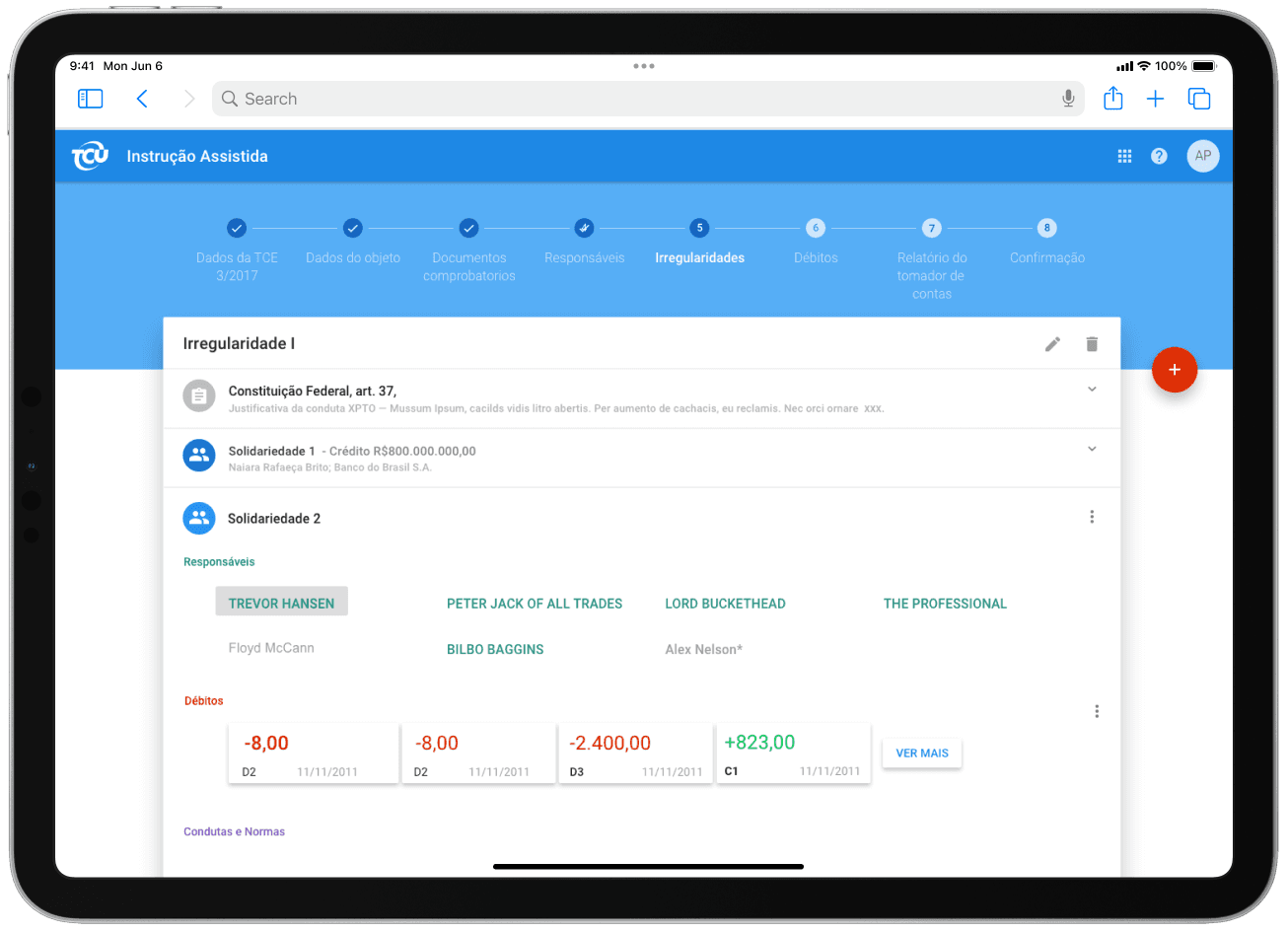
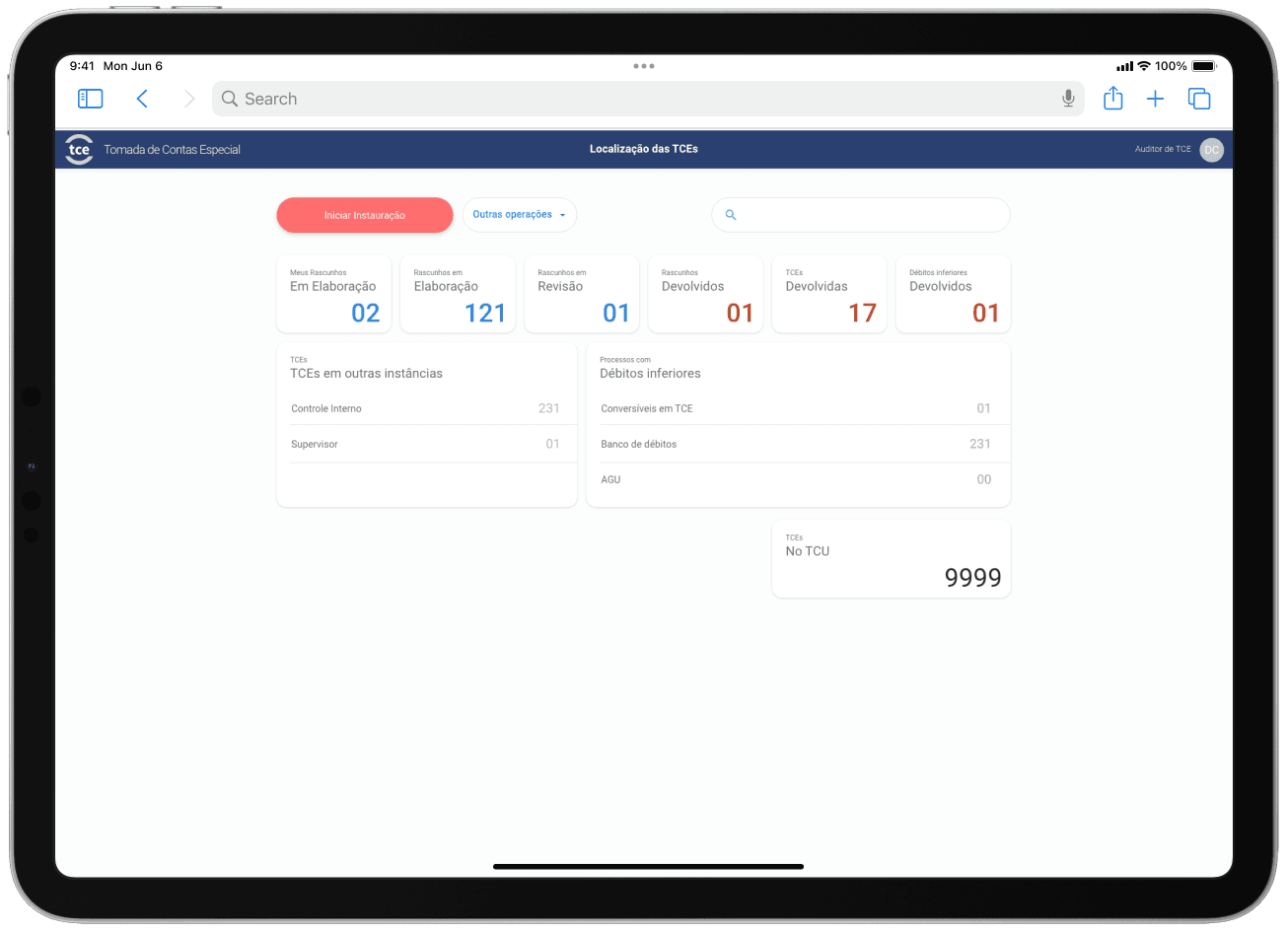
Instead of a linear trajectory, our development embraced a cyclical approach. After each prototyping stage, we returned to the workshops, presenting our evolving platform to the auditors. Their insights refined our designs, leading to the creation of high-fidelity prototypes with increasingly complex functionalities. This back-and-forth dialogue ensured the platform responded directly to the needs of its users.
Key decisions
01
Integrated existing government databases into the platform rather than asking auditors to re-enter data
Why The dominant source of rejected instructions was inconsistent data entry. Eliminating manual entry eliminated the category.
Trade-off Bigger upfront integration scope, longer build. We moved release dates rather than ship the data-entry version.
02
Designed the audit workflow around case prioritization, not chronological order
Why The platform was funneling time into low-impact administrative cases. Prioritization let auditors focus where impact was highest first.
Trade-off Required a politically delicate conversation about which cases get attention. The court already wanted this; we surfaced it as an explicit design decision rather than letting it stay implicit.
03
Treated instruction documents as structured data, not free-form prose
Why Free-form prose was the source of the 90% rejection rate. Structuring the document at authoring time prevented the downstream rejection entirely.
Trade-off Auditors used to total freedom in how they wrote. We had to design the structure tightly enough to be correct and loose enough not to feel like a constraint.
The final platform
Finally, the time came to unveil e-TCE — a testament to the combined wisdom of the TCU and our team. Rigorous user-testing sessions were like final brushstrokes, ensuring a smooth transition and ironing out any wrinkles. Real-world experiences became our guiding light, polishing the platform to a shine.
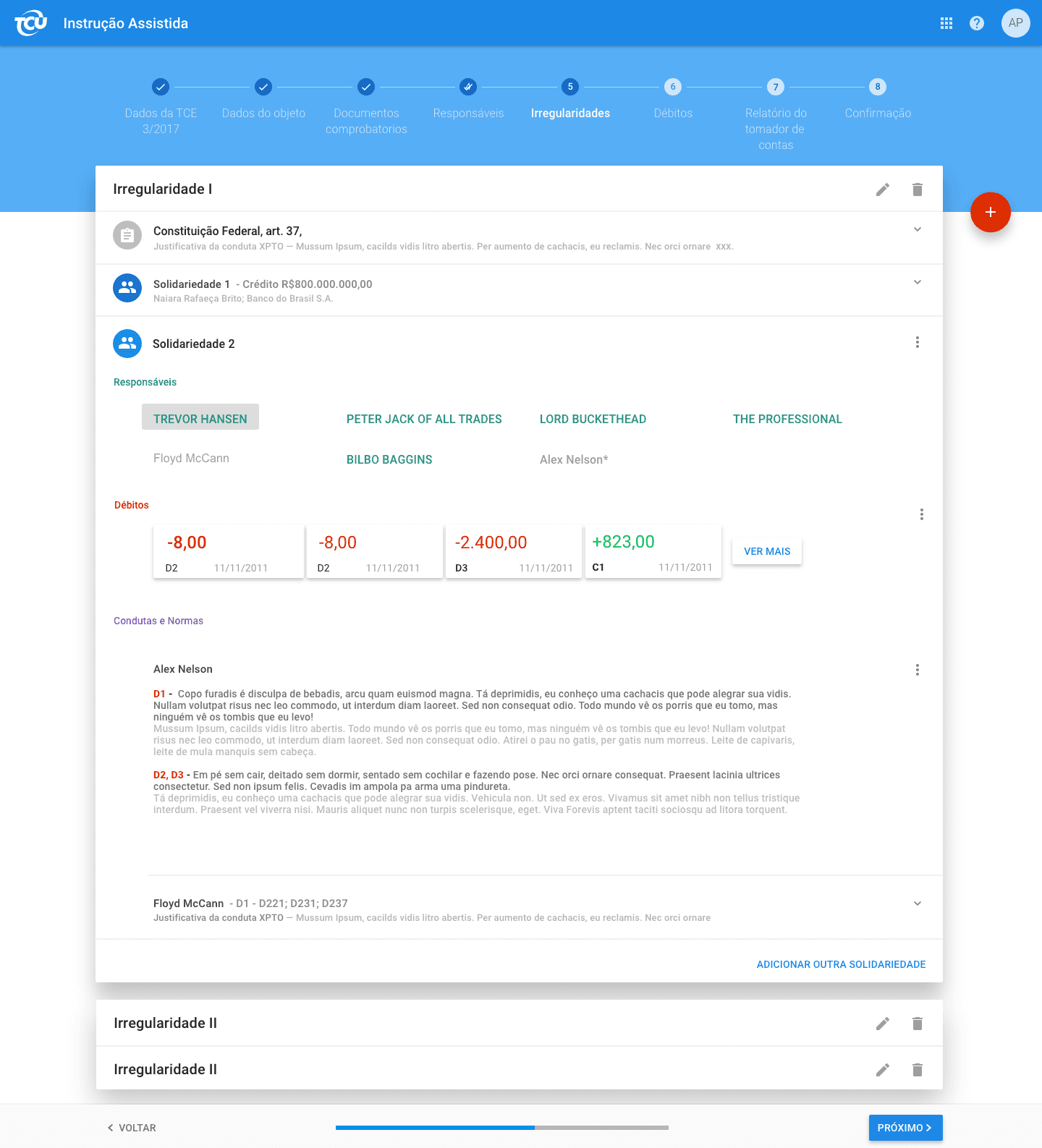
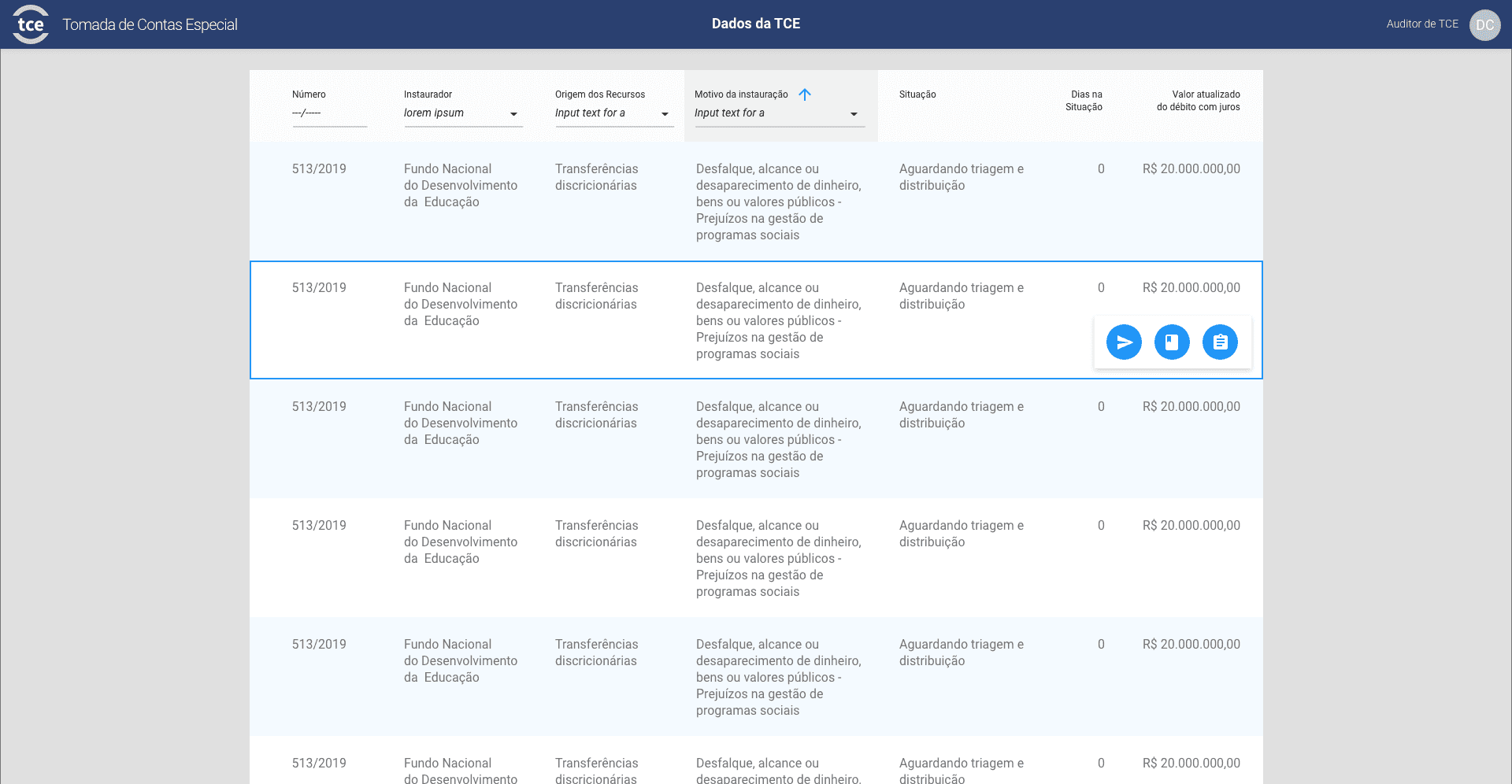
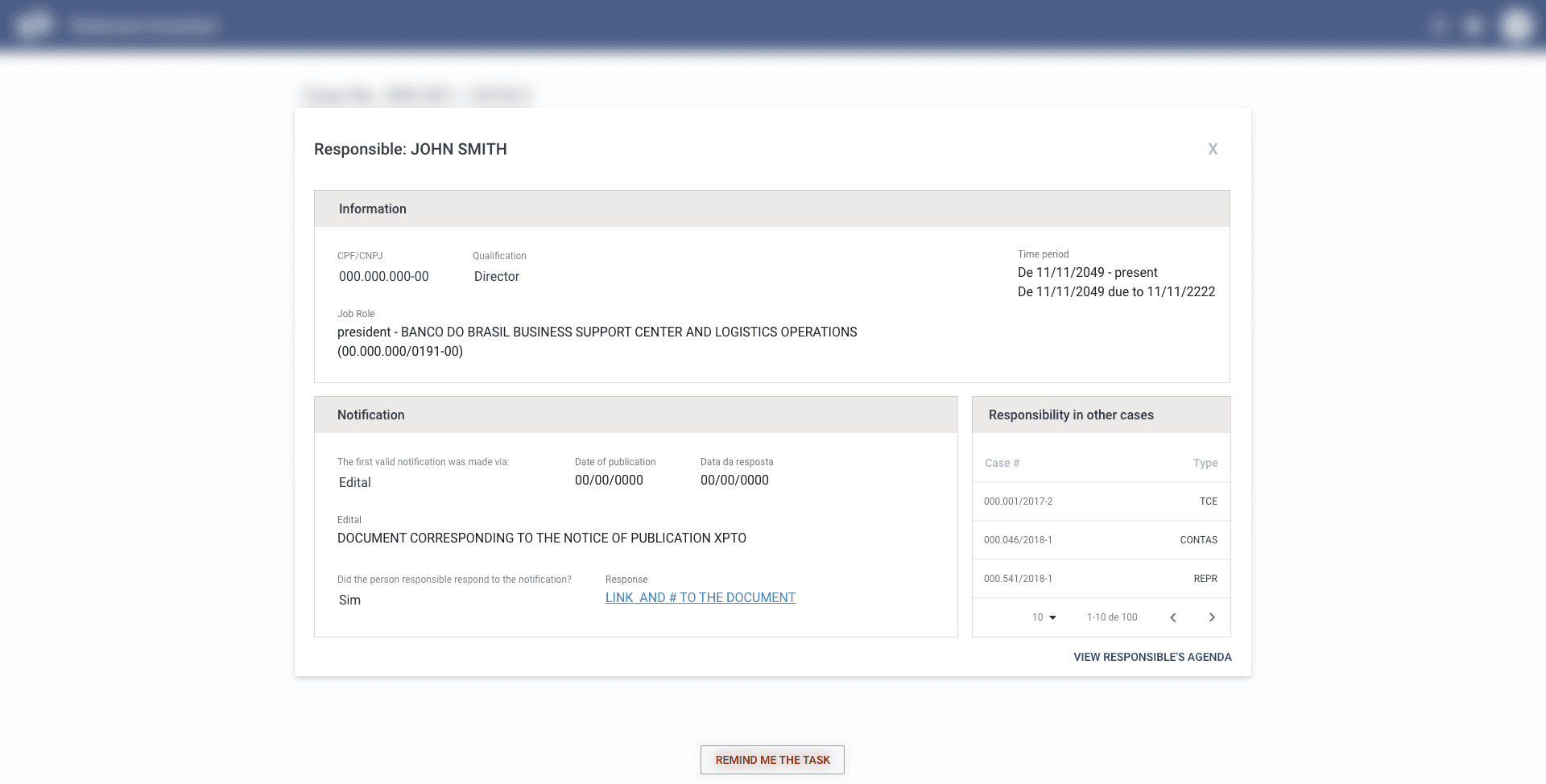
e-TCE’s story doesn’t stop with its launch. This vibrant platform thrives on continuous evolution. We remain in close contact with the TCU, holding regular workshops and feedback sessions to ensure the platform continues to meet their evolving needs.
Impact
The impact of our efforts has been transformative:
- 60% reduction in time between audit initiation and judgment — auditors can now focus on the substance of the case, not getting bogged down in administrative tasks.
- 90% reduction in the return of merit instructions due to poor or poorly organized information — data accuracy and clear instructions ensure efficient progress.
- Streamlined process of collecting, analyzing, and preparing instructions — the automated workflows and integrated data sources dramatically reduced cycle time.
Key artifacts
Design artifacts
Workshop facilitation artifacts
AnonymizedAffinity maps, dot-voting outputs, and Lightning Decision Jam results from co-design sessions with the TCU pilot team.
Instruction data-structure blueprint
NDA-safeSchema-first artifact used to transform free-form instruction writing into structured, validated input — the core of the 90% return reduction.
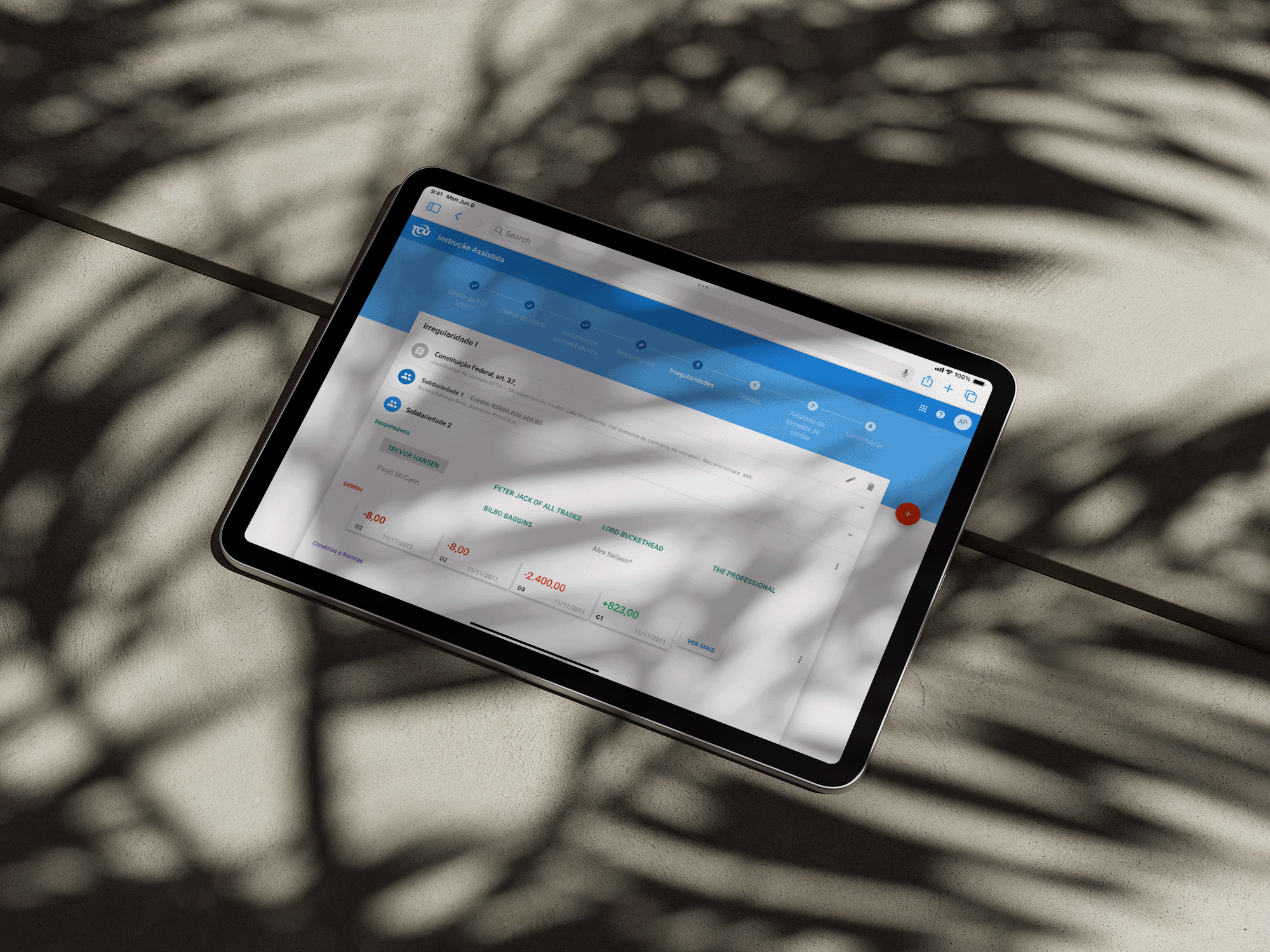
High-fidelity prototype — Instrução Assistida
RedactedAnnotated prototype of the assisted instruction screen, tested with the pilot team through multiple co-design cycles.
Pilot-team prioritization board
AnonymizedFeature prioritization output from dot-voting sessions — the mechanism by which auditors co-owned the product roadmap.
Looking back
The lesson I keep returning to: most “process redesign” projects fail because the platform underneath the process gets ignored. Here, the platform and the process were the same problem. Redesigning one without the other would have recovered weeks; redesigning both together recovered years.
The thing I’d do differently: invest more time, earlier, in the change-management work for the auditors who weren’t on the pilot team. The pilot team was bought in by month two. The broader rollout took longer than it needed to because the non-pilot auditors met a finished platform rather than a co-designed one.